The FCA put the model vendor inside the sandbox
Anthropic joined the FCA's Supercharged Sandbox, giving 21 regulated firms Claude access under supervision. The regulator moved up the stack to the vendor layer — and the governance win doubles as go-to-market.
Anthropic joined the second cohort of the FCA's Supercharged Sandbox this week, announced around July 22, 2026. Twenty-one regulated firms — Scottish Widows, TrueLayer, and Money Advice Trust are named — get access to Claude, Claude Code, and Claude Cowork for use cases including agent-led payments, fraud and economic-crime detection, and compliance automation. Testing runs July 13 to December 31, 2026, with a showcase on November 26 per Cointelegraph-carried reporting, plus a 10-week Agentic Academy run with CFTE on infrastructure from NayaOne and Nvidia.
Demand-side number worth keeping: cohort-two applications hit 199, up 51% year over year. Regulated firms are queueing for supervised AI capacity. That queue is the most honest market signal in this story.
Supervision moved up the stack
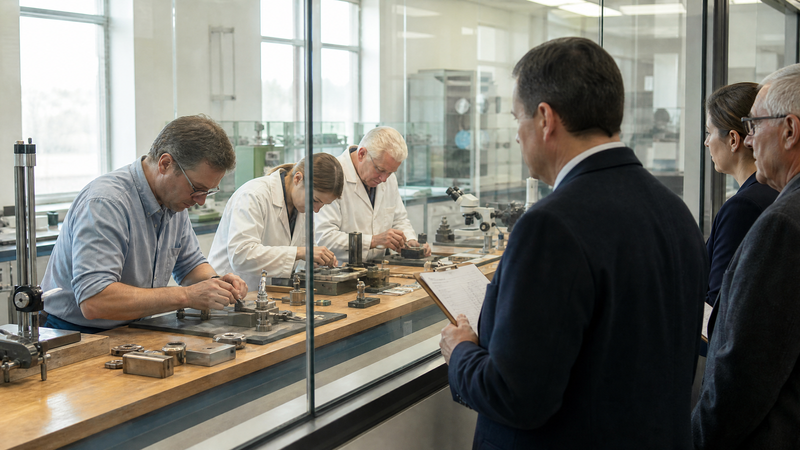
Regulatory sandboxes have historically tested regulated firms' products — a bank's new lending flow, a fintech's payments app. Cohort two is structurally different: the firms are building on a named vendor's models, and the vendor itself sits inside the test, supplying tooling, training, and support under the regulator's eye. The FCA is learning the model-vendor layer first-hand instead of reconstructing it later from deployers' filings.
That matters because every serious AI incident in finance will have a stack trace that runs through a model vendor, and until now regulators only ever met that layer through the deploying firm's paperwork. Supervising a bank's chatbot while knowing nothing concrete about the model underneath is auditing the ORM and ignoring the database. The FCA just fixed its blind spot at the source.
The read nobody in the coverage makes
Now the part I'm owning, because none of the coverage says it: this is simultaneously the cheapest enterprise distribution Anthropic could buy. Twenty-one regulated financial firms spending five months building agentic prototypes on Claude, under FCA supervision, with a public showcase at the end — that converts directly into procurement momentum. A sandbox graduate doesn't restart vendor evaluation from zero; the evaluation happened inside the regulator's own process. The governance win and the go-to-market win are the same event, and I'd argue the vendor knows the second value at least as precisely as the first.
Caveats, stated honestly: I could not reach the FCA's own cohort-two page (the obvious URL 404s, and FinTech Futures blocked fetching), so the firm list and dates ride on ffnews, FStech, and Cointelegraph secondaries. I found no Anthropic newsroom post for this. And the commercial terms — including who pays for the tokens — are disclosed nowhere I looked. That last gap is exactly where the distribution-subsidy question lives, so treat my read as an inference with motive and structure behind it, not a documented fact.
At work, the question enterprise clients ask me most is not which model is best — it's which vendor their compliance team should evaluate first, because a serious evaluation costs a quarter and they only get one or two. A client in financial services spent most of a quarter this year assembling model-governance evidence from vendor whitepapers and secondhand audit reports. A regulator-run cohort where the vendor sits inside the test answers that evaluation question with supervised evidence instead of a procurement deck. Vendors understand precisely what that's worth, which is why the seat is worth more to Anthropic than any conference sponsorship on the calendar.
Steal this if you're on a compliance or platform team outside the UK: write down what evidence the FCA will hold by December 31 that your own evaluation process cannot produce — supervised agent-led payment trials, fraud-detection runs on real regulated workflows, a vendor observed under test. Then either track the November 26 showcase output as free due-diligence, or start asking your own regulator when it plans to run the same experiment. The firms in that cohort will finish the year with evidence your process doesn't have.
When the regulator supervises the model vendor directly, governance evidence and go-to-market become the same artifact — and the vendors who get inside the sandbox first will be the ones procurement already trusts.