The presenter skill is a production contract, not a video engine
Lanshu does not contain a one-click presenter engine. Its useful asset is a provider-neutral production contract with permission, cost and delivery checks.
↗cclank / lanshu-create-ai-presenter-videoTL;DR: Lanshu Create AI Presenter Video is not the one-click local video engine described in the viral post. It is a provider-neutral production skill: useful instructions, permission gates and delivery checks wrapped around voice, presenter-generation and lip-sync capabilities you still need to supply.
The correction matters more than the hype. GitHub's repository API showed 1,310 stars on 26 September, not 26,000. The project had one commit from 20 August, one contributor and no releases. That is enough reason to inspect it; it is not evidence of a mature renderer.
The repository specifies the job; other systems make the video
The README requires Python 3.9+, FFmpeg and at least one available capability for video generation, voice generation and lip sync. Its script-plus-photo input is therefore the start of an orchestration job, not proof that generation happens offline or free.
What it does specify is strong. Narration becomes the master clock. A low-cost pilot comes before a full paid run. The operator records provider, model, parameters, task ID and price evidence, then stops after three rejected paid candidates.
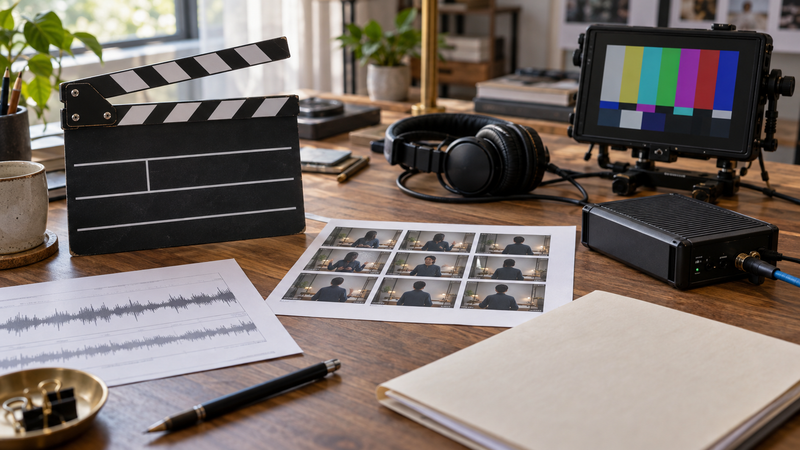
My rule for evaluating a media skill is to separate the engine from the acceptance contract. Lanshu's engine is deliberately unspecified. Its contract — rights checks, cost boundaries, resumable task IDs, full decode and a nine-frame contact sheet — is the part worth borrowing.
Use the checks before you choose the provider
The preflight script verifies the presenter image, optional voice sample and manual approvals for image rights, adult status, voice cloning and remote upload. The finaliser creates master and share encodes, normalises audio and fully decodes both before calling the delivery verified.
I inspected the README, skill instructions, scripts and the 29-second source video; I did not install or run the repository. So I cannot vouch for render quality, speed, GPU needs or cost. The video shows a polished presenter workflow, but it does not prove which provider produced that result.
What's in it for you
- Reuse the state machine and QA artifacts as a vendor-neutral acceptance checklist.
- Ask which paid or remote capability fills every unspecified generation step.
- Treat stars and a demo as discovery signals, then inspect commits, releases and executable boundaries.
Borrow the production contract; verify the engine that must fulfil it.